Manuka - Essential Oil
WILD MANUKA: THE BETA-TRIKETONE TREASURE
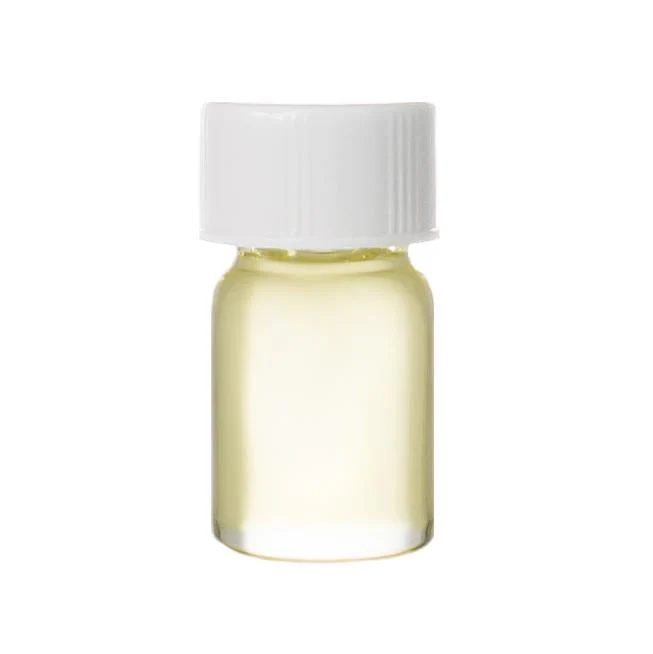
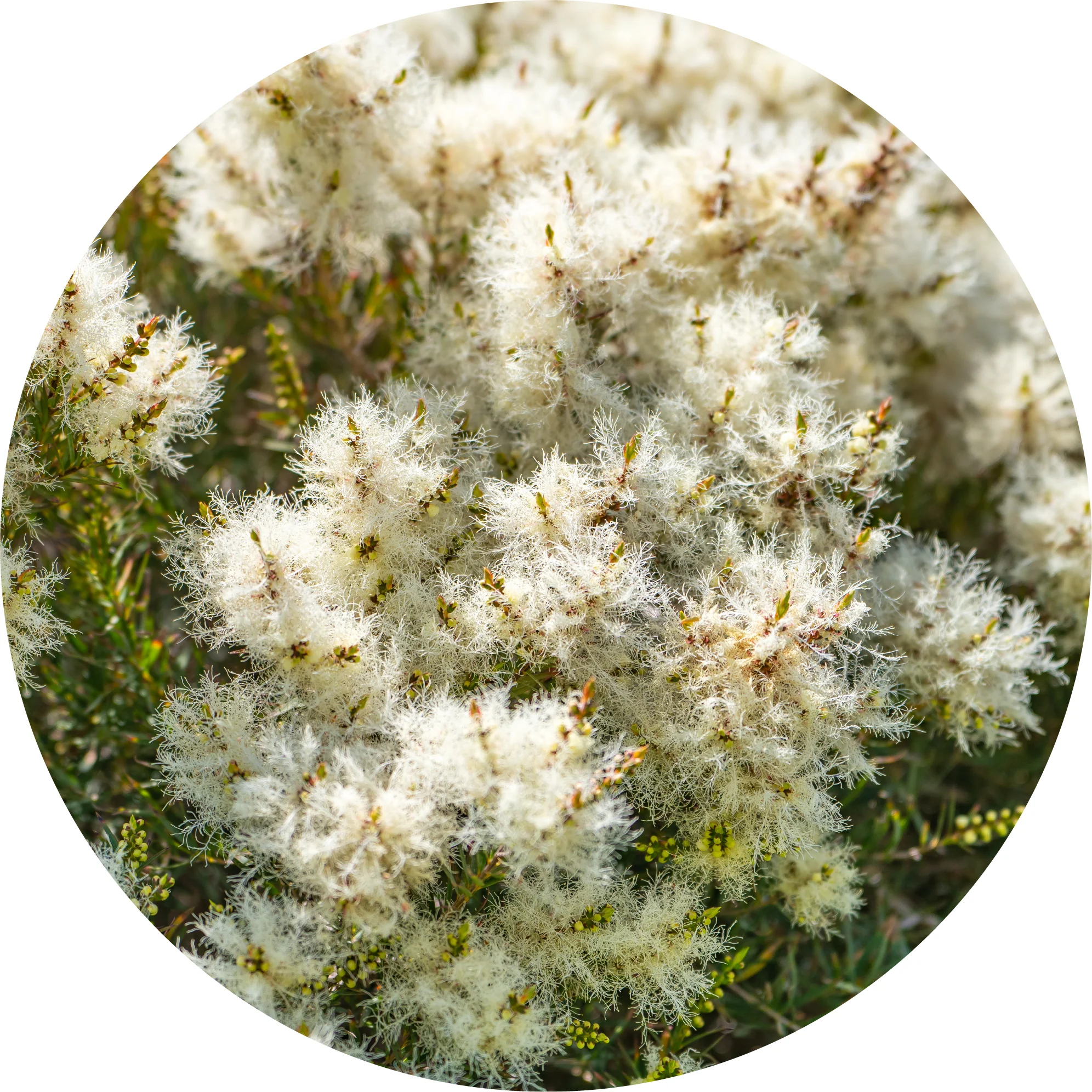
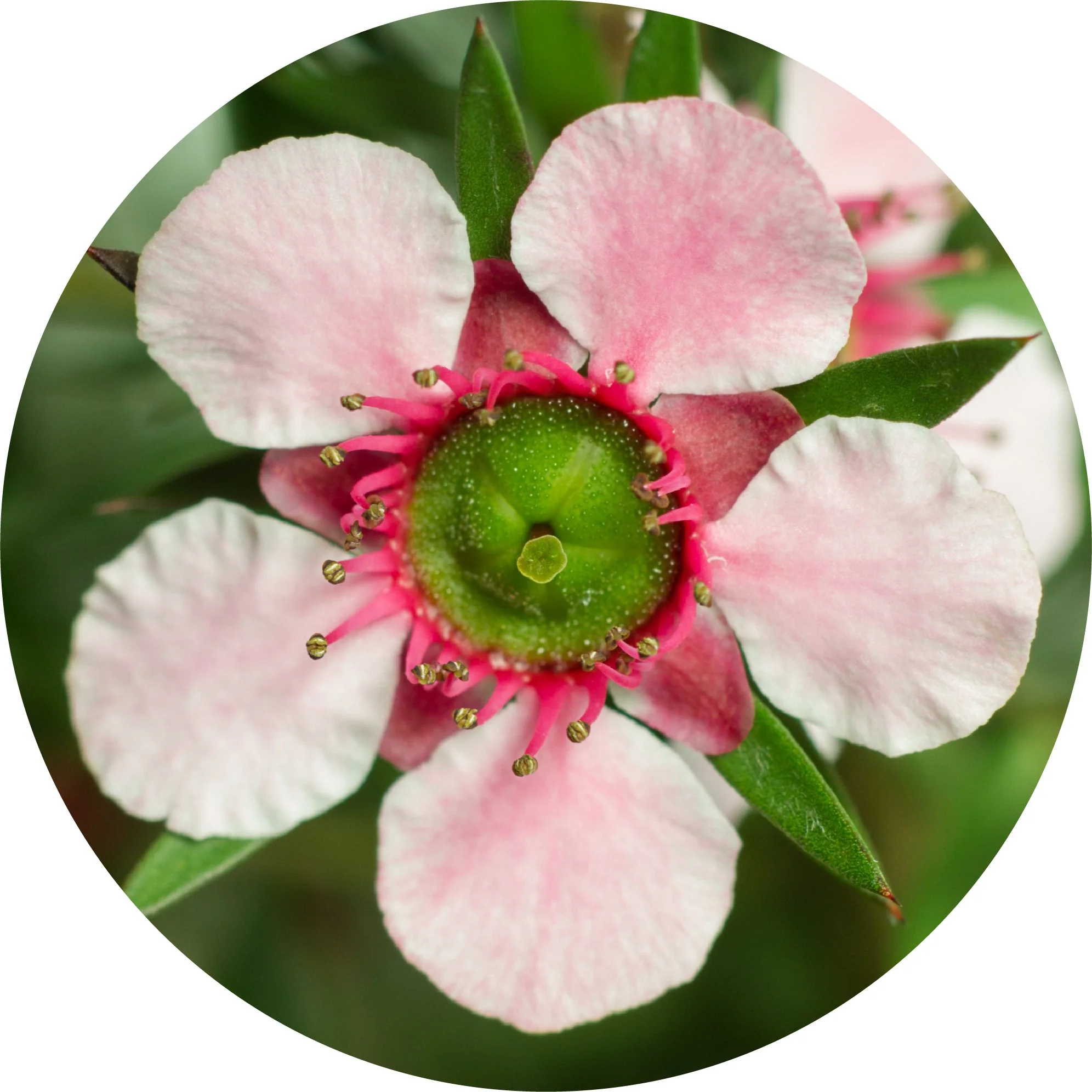
Mesmerizing Manuka Essential Oil is steam distilled from the resilient reservoir leaves of the Leptospermum scoparium shrub, a hub of fuzzy starburst blossoms that yield a natural, DHA-rich feast of perfumed pollen for honeybees. This shimmering halo of activity is the source of the coveted Manuka honey, and the essential oil is the concentrated, volatile spirit of the plant itself, the aromatic substance of Manuka's secret sauce. While the bees gather the fervor of dihydroxyacetone-infused nectar, the specific saccharide precursor that bees transform into the legendary antibacterial methylglyoxal (MGO) found in the honey, the Kakariki parakeets have long understood the plant's protective prowess. These clever birds chew the leaves into a paste and apply it to their feathers to maintain mite-free vitality. When a plant offers such a bounty of biological resilience to the birds and the bees, its potential grace for skin and spirit is equally abounding.
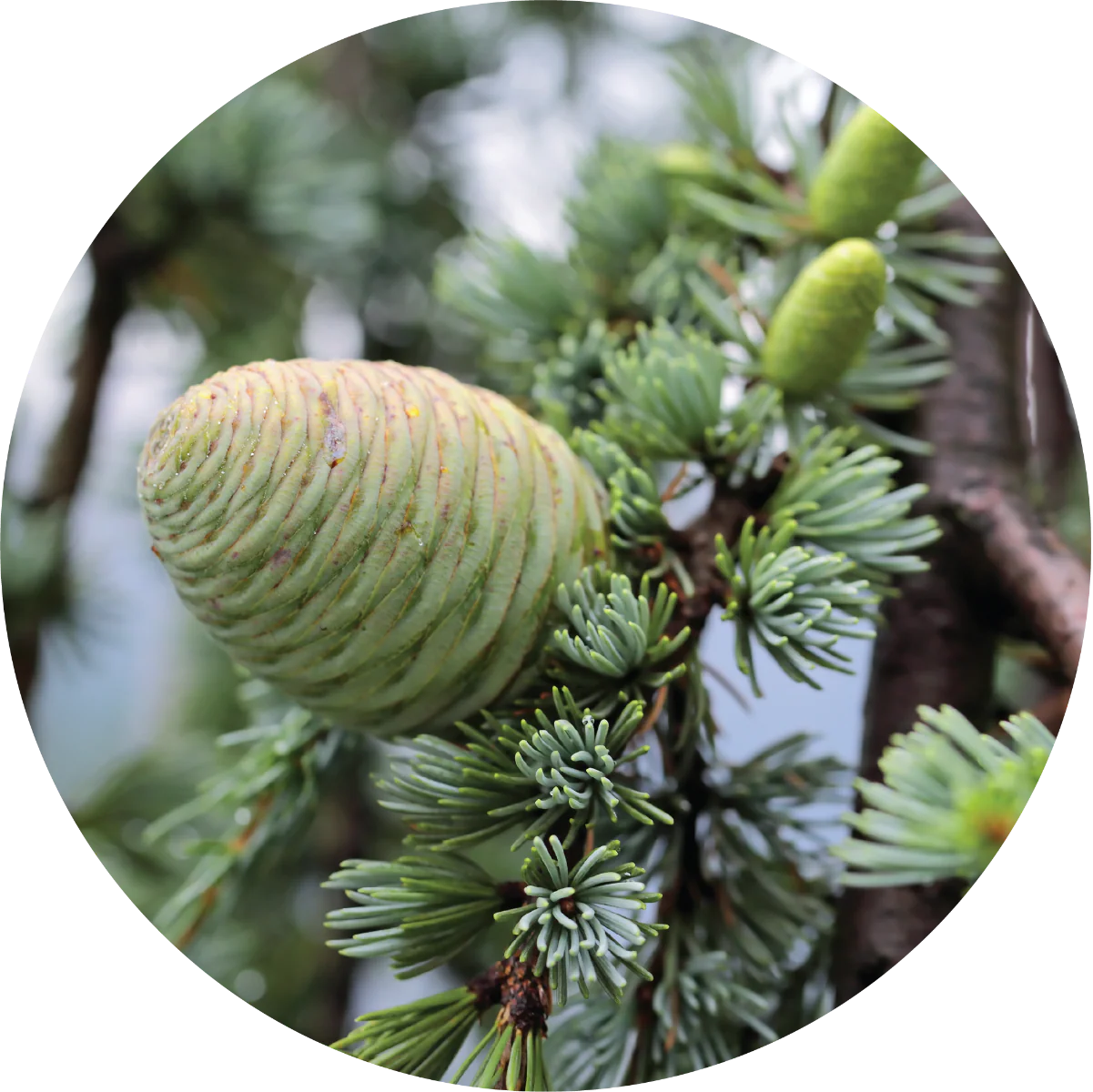
The Manuka leaf, the primary source of this potent essential oil, has evolved a sophisticated defense mechanism by producing beta-triketone reservoirs. Other plants in the Leptospermum family rely on fleeting, volatile top notes, yet the Manuka plant stores these dense molecules in microscopic, translucent glands dotted across the leaf surface. This creates the characteristic silver-green sheen that acts as a biological fortress against environmental stressors. These crystalline-reservoirs are what give the leaves their slightly spicy, honeyed scent long before they ever reach the steam of the still.
The exceptional potency of Manuka is anchored in its unique phytochemical matrix, specifically the concentrated beta-triketones. These rare constituents, leptospermone, flavesone, and isoleptospermone, are the molecular guardians of the plant. They offer a level of dermal clarification and broad-spectrum purity that surpasses even the most potent Tea Tree. The structural difference is key: while Tea Tree relies on lighter monoterpenes for its clarifying effects, the triketones in Manuka provide a more robust, denser molecular mantle making it gentler for skincare.
This complex chemistry is further swirled with sesquiterpenes like calamenene and alpha-copaene, creating a sylvan sanctuary for the skin that is simultaneously replenishing and smoothing. This phytochemical footprint of denser triketones over simpler, more solvent terpenes is exactly why Manuka is potent yet gentler on the skin. Beyond its phytochemical prowess, Manuka Essential Oil offers an enchanting aroma, a tapestry of golden honey, herbaceous-heat, and fresh fir needles; a soothing scent that invites a sense of earthy stability. Manuka is noted for its rare ability to completely regenerate after being cut down; it is a botanical phoenix, encouraging the skin and the spirit to bounce back with renewed vigor.
In the realm of everyday aromatherapy, Manuka Essential Oil is a versatile ally for both skin and scalp. Just as Manuka honey is prized for its enzymatic activity and restorative humectant properties, the essential oil serves as the plant’s most concentrated aromatic defense. For a clarifying mask, add a single drop of the oil to a spoonful of Manuka honey to douse the skin in a synergistic bouquet of Manuka molecules. This combination is particularly potent because high-quality Manuka honey naturally contains trace amounts of the same beta-triketone phytochemistry found in the essential oil, creating a bio-available bridge between the honey’s enzymes and the oil’s volatile strength.
“Manuka essential oil has been analyzed with regard to its properties and applications… The essential oil is chemically complex, and contains around 15% leptospermone, a ketone, along with sesquiterpenes and their oxygenated derivatives.” — Len and Shirley Price, Aromatherapy for Health Professionals
MANUKA: APPLICATIONS + DETAILS
Manuka is a versatile essence, used much like Tea Tree but with a notably milder touch that allows for neat application on specific spots. Blend a single drop with Jojoba or Rose Hip oil to create a regenerative serum that clarifies the complexion and soothes the look of redness. In the oral sphere, its potent purity maintains fresh breath and a balanced biome when added to a saltwater swish or a toothbrush. As a botanical perfume base, it lends a honeyed, herbaceous depth to floral and coniferous blends.
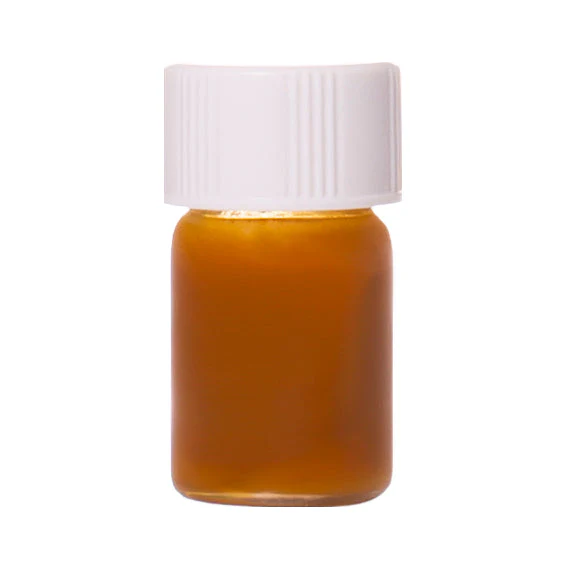
On the scalp, Manuka acts as a cooling canopy to soothe dryness and sustain a balanced microbiome. This honey-hued elixir is a sanctuary for reactive skin, clarifying without the drying sting of aggressive distillations. Whether integrated into a facial serum or used as a culinary and oral care accent, it provides the precision of science paired with the lyrical elegance of nature. It remains a foundational essence for any apothecary.
Botanical Name: Leptospermum scoparium
Botanical Family: Myrtaceae
Extraction Method: Steam distilled
Part of Plant Distilled: Leaves
Country of Origin: Australia
Cultivation Method: Wild
Composition: 100% Leptospermum scoparium
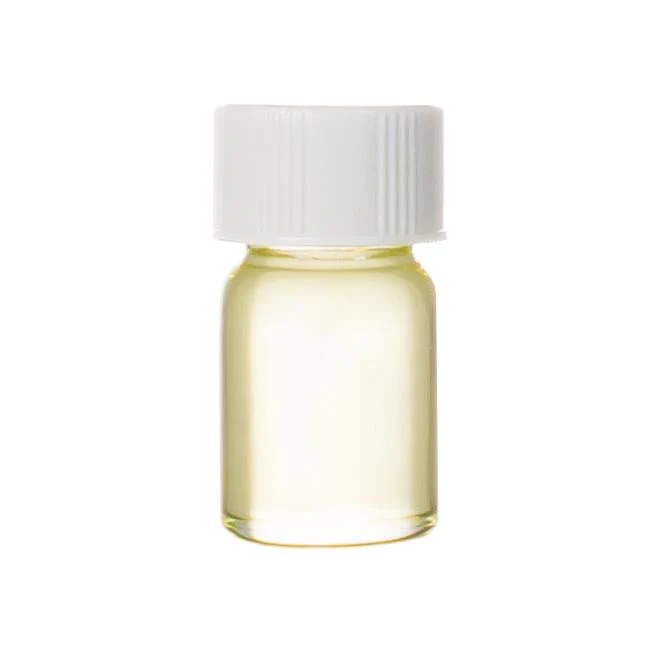
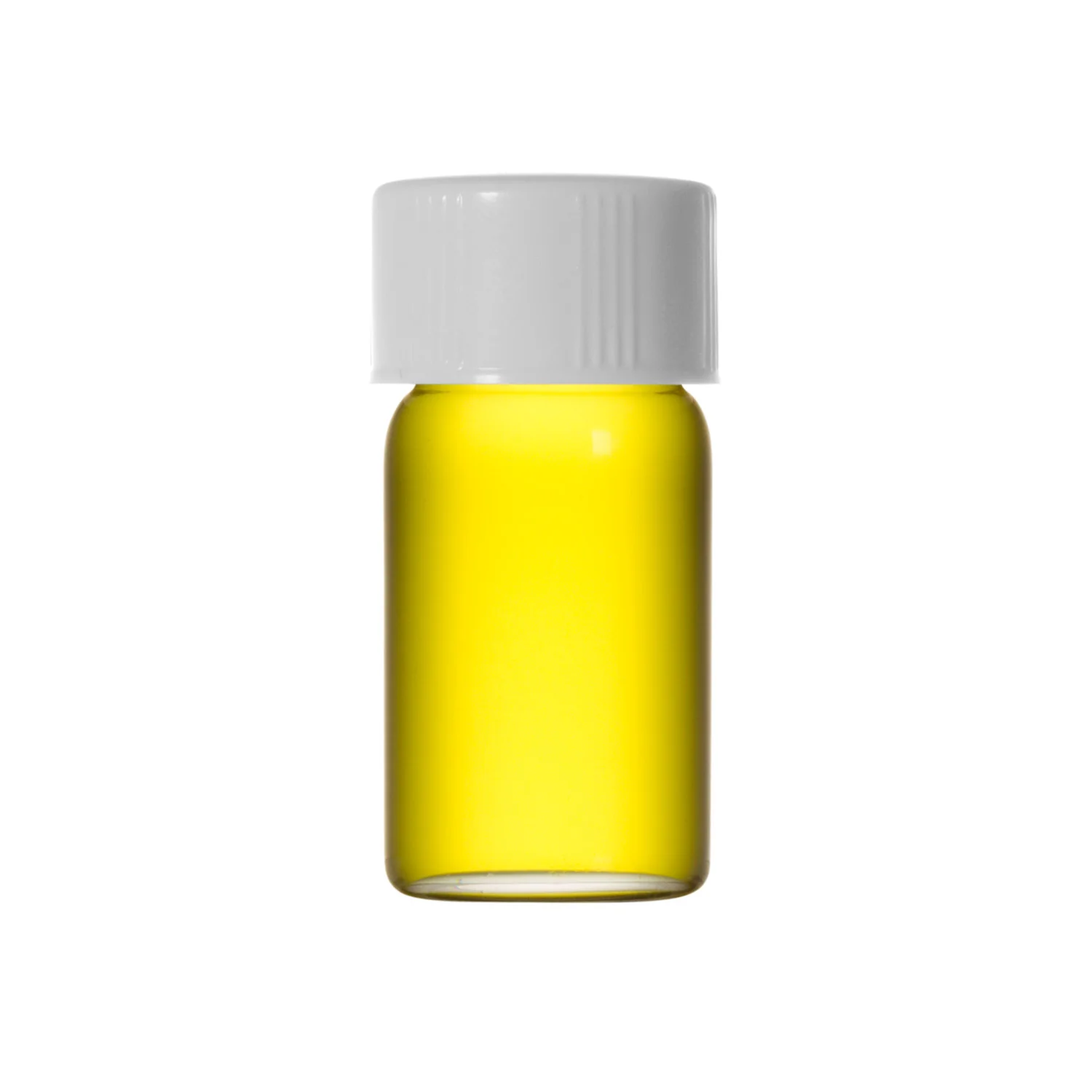
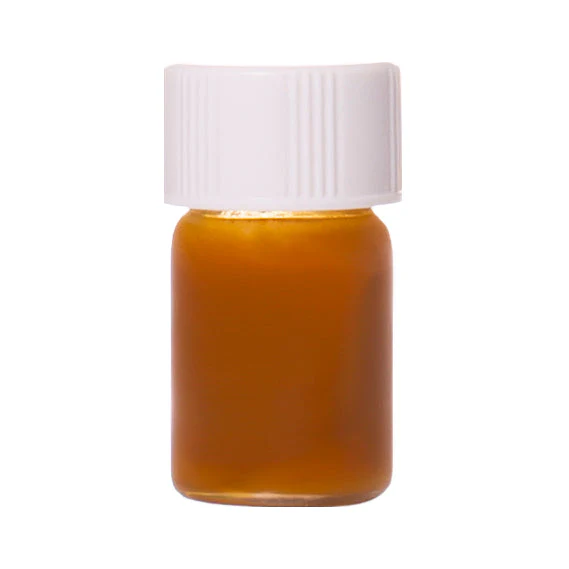
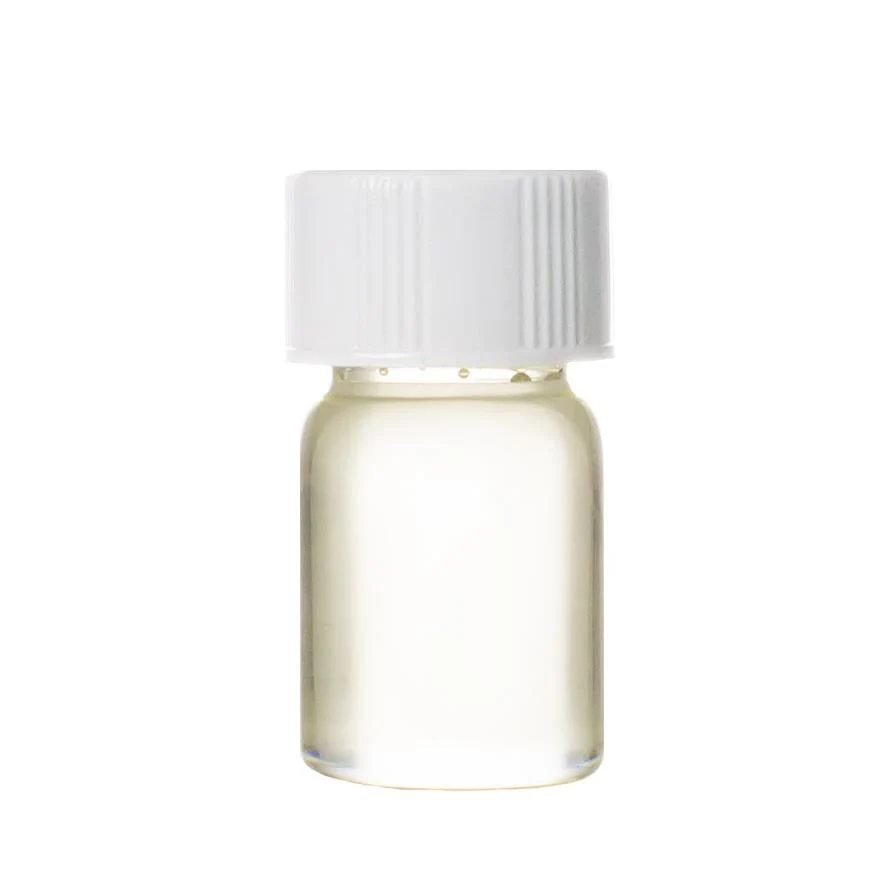
Consistency: Thin
Scent Description: Rich, golden honey with an astringent, herbaceous edge.
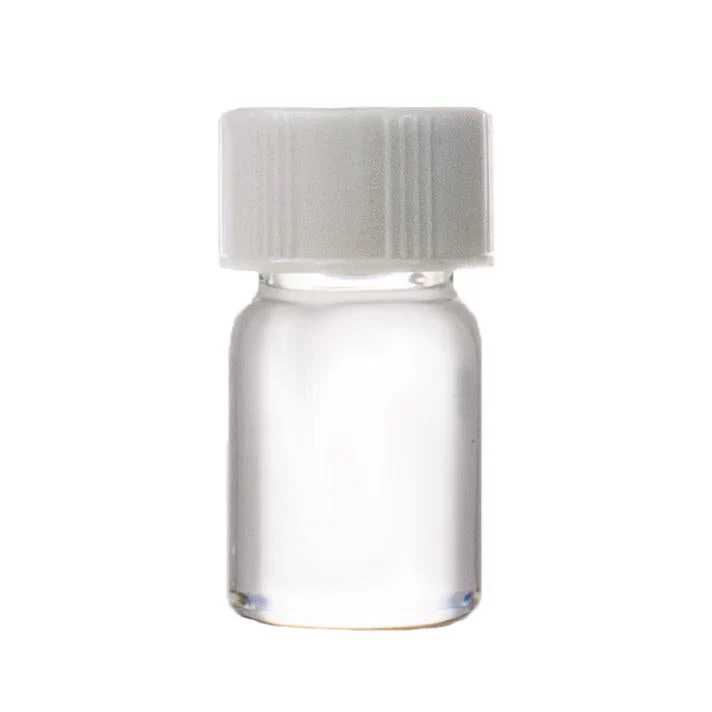
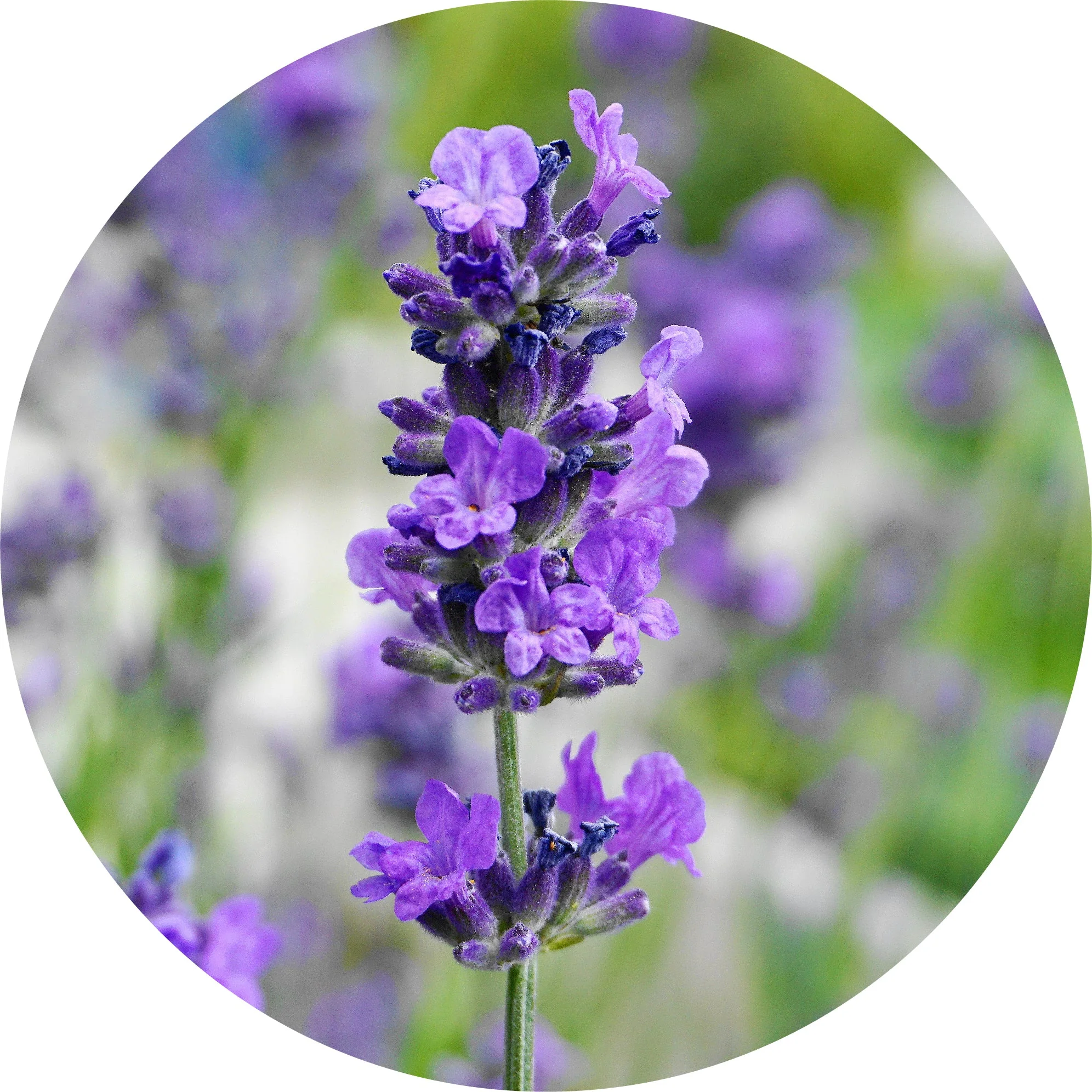
Blends Beautifully: Lavender, Cypress, Mastic, Tea Tree, Frankincense, Rosalina, Citron, Grapefruit, Cardamon, Rose Otto, Lemon, Bergamot, Silver Fir, Douglas Fir, Cedar, Sandalwood, Lime, Hyssop, Myrrh, and Marjoram.
Phytochemistry: This wild-crafted Australian distillation is a treasure trove of beta-triketones, specifically leptospermone, flavesone, and isoleptospermone. These rare constituents represent a specialized "triketone chemotype" that offers a molecular potency far exceeding standard essential oils. While many members of the Myrtaceae family rely on monoterpenes for their clarifying properties, the high triketone content in this oil, often reaching upwards of 15% to 25%, provides a robust solution for the skin and scalp. This complex matrix is further supported by a foundation of sesquiterpenes, including calamenene and alpha-copaene, which contribute to its replenishing capacity and honey-like aromatic profile.
View or download the Certificate of Analysis.
This essence is a verified, authentic essential oil, third-party tested to ensure 100% purity.
MANUKA ESSENTIAL OIL: FREQUENTLY ASKED QUESTIONS
How does Manuka Essential Oil differ from Tea Tree Essential Oil?
While both oils belong to the Myrtaceae family and offer exceptional clarifying benefits, Manuka is considered more potent yet gentler on the skin. Its unique strength is derived from its high beta-triketone content, whereas Tea Tree is primarily characterized by monoterpenes like terpinen-4-ol. Manuka also possesses a softer, sweeter, honey-like aroma compared to the sharp, medicinal scent of Tea Tree, making it a preferred choice for those with sensitive skin or a preference for more floral, herbaceous notes.
Is it safe to use Manuka Essential Oil as a culinary accent?
Yes, this wild-crafted essence is 100% pure and verified for quality, making it a potent and safe culinary accent. Because of its concentration, a single drop is often all that is required to infuse a dish or tonic with its honeyed, herbaceous essence. A beautiful way to enjoy this oil is by adding one drop to a teaspoon of honey, ideally Manuka honey, or stirring it into a high-quality olive oil.
Can Manuka Essential Oil be applied directly to the skin?
One of the most remarkable qualities of Manuka is its exceptionally high dermal tolerance. Manuka is generally non-irritating and can be applied “neat” to specific areas of concern. For those with sensitive complexions, diluting a drop in a carrier oil or mixing it with a dab of Manuka honey is a wise first step to ensure a harmonious and soothing interaction.
What is the connection between the essential oil and Manuka honey?
The honey and the essential oil are two distinct, beautiful expressions of the same botanical life force, Leptospermum scoparium. While the honey is created by bees feeding on the nectar of the blossoms, the essential oil is the distilled volatile spirit captured from the plant's leaves and flowers. Interestingly, high-quality Manuka honey naturally contains a trace amount of the same beta-triketone phytochemistry found in the essential oil, which contributes to the honey's famed biological activity. Using them in tandem enhances botanical synergy; the honey serves as an enzymatic, moisture-grabbing humectant, while the essential oil provides a concentrate of the plant’s quintessence.
Is Manuka Essential Oil good for scalp and hair care?
Absolutely. The clarifying and soothing properties of the triketones make it ideal for scalp and hair care. It helps to balance the skin's microbiome and dissolve buildup that can lead to irritation. Adding a few drops to a shampoo ritual or a scalp massage oil is helpful for dry, dandruff-prone scalps.
Product Information
Product Information
Shipping & Returns
Shipping & Returns
Manuka - Essential Oil
Manuka - Essential Oil
WILD MANUKA: THE BETA-TRIKETONE TREASURE
Mesmerizing Manuka Essential Oil is steam distilled from the resilient reservoir leaves of the Leptospermum scoparium shrub, a hub of fuzzy starburst blossoms that yield a natural, DHA-rich feast of perfumed pollen for honeybees. This shimmering halo of activity is the source of the coveted Manuka honey, and the essential oil is the concentrated, volatile spirit of the plant itself, the aromatic substance of Manuka's secret sauce. While the bees gather the fervor of dihydroxyacetone-infused nectar, the specific saccharide precursor that bees transform into the legendary antibacterial methylglyoxal (MGO) found in the honey, the Kakariki parakeets have long understood the plant's protective prowess. These clever birds chew the leaves into a paste and apply it to their feathers to maintain mite-free vitality. When a plant offers such a bounty of biological resilience to the birds and the bees, its potential grace for skin and spirit is equally abounding.
The Manuka leaf, the primary source of this potent essential oil, has evolved a sophisticated defense mechanism by producing beta-triketone reservoirs. Other plants in the Leptospermum family rely on fleeting, volatile top notes, yet the Manuka plant stores these dense molecules in microscopic, translucent glands dotted across the leaf surface. This creates the characteristic silver-green sheen that acts as a biological fortress against environmental stressors. These crystalline-reservoirs are what give the leaves their slightly spicy, honeyed scent long before they ever reach the steam of the still.
The exceptional potency of Manuka is anchored in its unique phytochemical matrix, specifically the concentrated beta-triketones. These rare constituents, leptospermone, flavesone, and isoleptospermone, are the molecular guardians of the plant. They offer a level of dermal clarification and broad-spectrum purity that surpasses even the most potent Tea Tree. The structural difference is key: while Tea Tree relies on lighter monoterpenes for its clarifying effects, the triketones in Manuka provide a more robust, denser molecular mantle making it gentler for skincare.
This complex chemistry is further swirled with sesquiterpenes like calamenene and alpha-copaene, creating a sylvan sanctuary for the skin that is simultaneously replenishing and smoothing. This phytochemical footprint of denser triketones over simpler, more solvent terpenes is exactly why Manuka is potent yet gentler on the skin. Beyond its phytochemical prowess, Manuka Essential Oil offers an enchanting aroma, a tapestry of golden honey, herbaceous-heat, and fresh fir needles; a soothing scent that invites a sense of earthy stability. Manuka is noted for its rare ability to completely regenerate after being cut down; it is a botanical phoenix, encouraging the skin and the spirit to bounce back with renewed vigor.
In the realm of everyday aromatherapy, Manuka Essential Oil is a versatile ally for both skin and scalp. Just as Manuka honey is prized for its enzymatic activity and restorative humectant properties, the essential oil serves as the plant’s most concentrated aromatic defense. For a clarifying mask, add a single drop of the oil to a spoonful of Manuka honey to douse the skin in a synergistic bouquet of Manuka molecules. This combination is particularly potent because high-quality Manuka honey naturally contains trace amounts of the same beta-triketone phytochemistry found in the essential oil, creating a bio-available bridge between the honey’s enzymes and the oil’s volatile strength.
“Manuka essential oil has been analyzed with regard to its properties and applications… The essential oil is chemically complex, and contains around 15% leptospermone, a ketone, along with sesquiterpenes and their oxygenated derivatives.” — Len and Shirley Price, Aromatherapy for Health Professionals
MANUKA: APPLICATIONS + DETAILS
Manuka is a versatile essence, used much like Tea Tree but with a notably milder touch that allows for neat application on specific spots. Blend a single drop with Jojoba or Rose Hip oil to create a regenerative serum that clarifies the complexion and soothes the look of redness. In the oral sphere, its potent purity maintains fresh breath and a balanced biome when added to a saltwater swish or a toothbrush. As a botanical perfume base, it lends a honeyed, herbaceous depth to floral and coniferous blends.
On the scalp, Manuka acts as a cooling canopy to soothe dryness and sustain a balanced microbiome. This honey-hued elixir is a sanctuary for reactive skin, clarifying without the drying sting of aggressive distillations. Whether integrated into a facial serum or used as a culinary and oral care accent, it provides the precision of science paired with the lyrical elegance of nature. It remains a foundational essence for any apothecary.
Botanical Name: Leptospermum scoparium
Botanical Family: Myrtaceae
Extraction Method: Steam distilled
Part of Plant Distilled: Leaves
Country of Origin: Australia
Cultivation Method: Wild
Composition: 100% Leptospermum scoparium
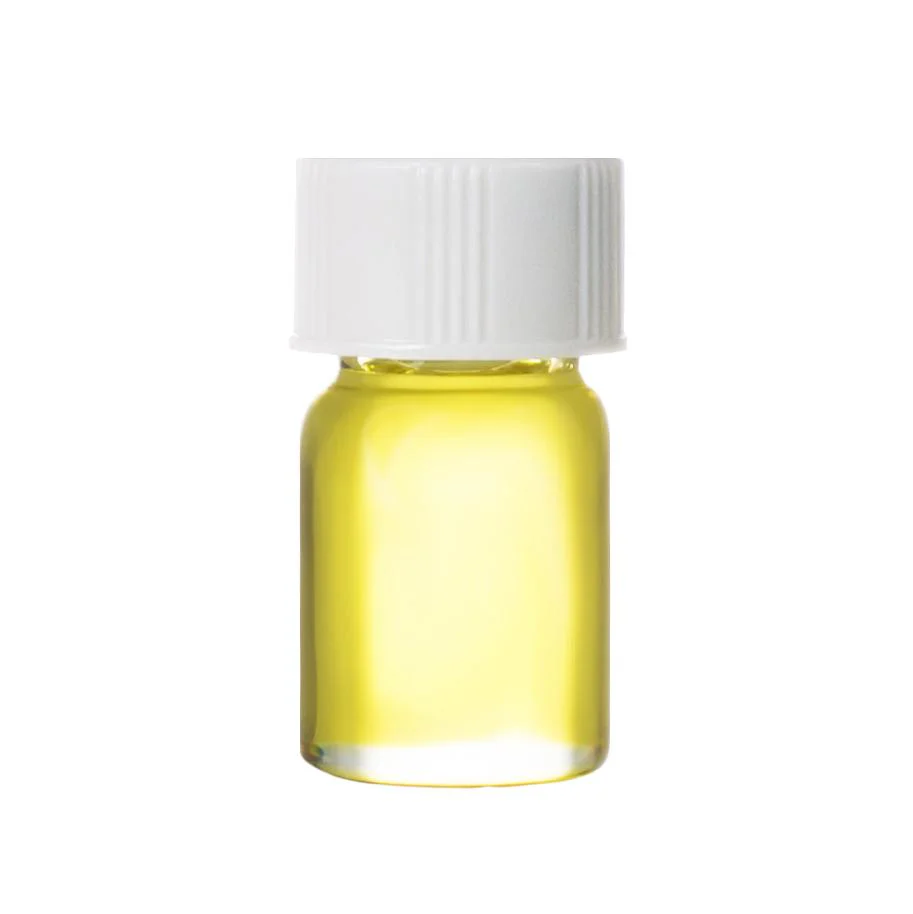
Consistency: Thin
Scent Description: Rich, golden honey with an astringent, herbaceous edge.
Blends Beautifully: Lavender, Cypress, Mastic, Tea Tree, Frankincense, Rosalina, Citron, Grapefruit, Cardamon, Rose Otto, Lemon, Bergamot, Silver Fir, Douglas Fir, Cedar, Sandalwood, Lime, Hyssop, Myrrh, and Marjoram.
Phytochemistry: This wild-crafted Australian distillation is a treasure trove of beta-triketones, specifically leptospermone, flavesone, and isoleptospermone. These rare constituents represent a specialized "triketone chemotype" that offers a molecular potency far exceeding standard essential oils. While many members of the Myrtaceae family rely on monoterpenes for their clarifying properties, the high triketone content in this oil, often reaching upwards of 15% to 25%, provides a robust solution for the skin and scalp. This complex matrix is further supported by a foundation of sesquiterpenes, including calamenene and alpha-copaene, which contribute to its replenishing capacity and honey-like aromatic profile.
View or download the Certificate of Analysis.
This essence is a verified, authentic essential oil, third-party tested to ensure 100% purity.
MANUKA ESSENTIAL OIL: FREQUENTLY ASKED QUESTIONS
How does Manuka Essential Oil differ from Tea Tree Essential Oil?
While both oils belong to the Myrtaceae family and offer exceptional clarifying benefits, Manuka is considered more potent yet gentler on the skin. Its unique strength is derived from its high beta-triketone content, whereas Tea Tree is primarily characterized by monoterpenes like terpinen-4-ol. Manuka also possesses a softer, sweeter, honey-like aroma compared to the sharp, medicinal scent of Tea Tree, making it a preferred choice for those with sensitive skin or a preference for more floral, herbaceous notes.
Is it safe to use Manuka Essential Oil as a culinary accent?
Yes, this wild-crafted essence is 100% pure and verified for quality, making it a potent and safe culinary accent. Because of its concentration, a single drop is often all that is required to infuse a dish or tonic with its honeyed, herbaceous essence. A beautiful way to enjoy this oil is by adding one drop to a teaspoon of honey, ideally Manuka honey, or stirring it into a high-quality olive oil.
Can Manuka Essential Oil be applied directly to the skin?
One of the most remarkable qualities of Manuka is its exceptionally high dermal tolerance. Manuka is generally non-irritating and can be applied “neat” to specific areas of concern. For those with sensitive complexions, diluting a drop in a carrier oil or mixing it with a dab of Manuka honey is a wise first step to ensure a harmonious and soothing interaction.
What is the connection between the essential oil and Manuka honey?
The honey and the essential oil are two distinct, beautiful expressions of the same botanical life force, Leptospermum scoparium. While the honey is created by bees feeding on the nectar of the blossoms, the essential oil is the distilled volatile spirit captured from the plant's leaves and flowers. Interestingly, high-quality Manuka honey naturally contains a trace amount of the same beta-triketone phytochemistry found in the essential oil, which contributes to the honey's famed biological activity. Using them in tandem enhances botanical synergy; the honey serves as an enzymatic, moisture-grabbing humectant, while the essential oil provides a concentrate of the plant’s quintessence.
Is Manuka Essential Oil good for scalp and hair care?
Absolutely. The clarifying and soothing properties of the triketones make it ideal for scalp and hair care. It helps to balance the skin's microbiome and dissolve buildup that can lead to irritation. Adding a few drops to a shampoo ritual or a scalp massage oil is helpful for dry, dandruff-prone scalps.
Original: $44.00
-65%$44.00
$15.40Product Information
Product Information
Shipping & Returns
Shipping & Returns
Description
WILD MANUKA: THE BETA-TRIKETONE TREASURE
Mesmerizing Manuka Essential Oil is steam distilled from the resilient reservoir leaves of the Leptospermum scoparium shrub, a hub of fuzzy starburst blossoms that yield a natural, DHA-rich feast of perfumed pollen for honeybees. This shimmering halo of activity is the source of the coveted Manuka honey, and the essential oil is the concentrated, volatile spirit of the plant itself, the aromatic substance of Manuka's secret sauce. While the bees gather the fervor of dihydroxyacetone-infused nectar, the specific saccharide precursor that bees transform into the legendary antibacterial methylglyoxal (MGO) found in the honey, the Kakariki parakeets have long understood the plant's protective prowess. These clever birds chew the leaves into a paste and apply it to their feathers to maintain mite-free vitality. When a plant offers such a bounty of biological resilience to the birds and the bees, its potential grace for skin and spirit is equally abounding.
The Manuka leaf, the primary source of this potent essential oil, has evolved a sophisticated defense mechanism by producing beta-triketone reservoirs. Other plants in the Leptospermum family rely on fleeting, volatile top notes, yet the Manuka plant stores these dense molecules in microscopic, translucent glands dotted across the leaf surface. This creates the characteristic silver-green sheen that acts as a biological fortress against environmental stressors. These crystalline-reservoirs are what give the leaves their slightly spicy, honeyed scent long before they ever reach the steam of the still.
The exceptional potency of Manuka is anchored in its unique phytochemical matrix, specifically the concentrated beta-triketones. These rare constituents, leptospermone, flavesone, and isoleptospermone, are the molecular guardians of the plant. They offer a level of dermal clarification and broad-spectrum purity that surpasses even the most potent Tea Tree. The structural difference is key: while Tea Tree relies on lighter monoterpenes for its clarifying effects, the triketones in Manuka provide a more robust, denser molecular mantle making it gentler for skincare.
This complex chemistry is further swirled with sesquiterpenes like calamenene and alpha-copaene, creating a sylvan sanctuary for the skin that is simultaneously replenishing and smoothing. This phytochemical footprint of denser triketones over simpler, more solvent terpenes is exactly why Manuka is potent yet gentler on the skin. Beyond its phytochemical prowess, Manuka Essential Oil offers an enchanting aroma, a tapestry of golden honey, herbaceous-heat, and fresh fir needles; a soothing scent that invites a sense of earthy stability. Manuka is noted for its rare ability to completely regenerate after being cut down; it is a botanical phoenix, encouraging the skin and the spirit to bounce back with renewed vigor.
In the realm of everyday aromatherapy, Manuka Essential Oil is a versatile ally for both skin and scalp. Just as Manuka honey is prized for its enzymatic activity and restorative humectant properties, the essential oil serves as the plant’s most concentrated aromatic defense. For a clarifying mask, add a single drop of the oil to a spoonful of Manuka honey to douse the skin in a synergistic bouquet of Manuka molecules. This combination is particularly potent because high-quality Manuka honey naturally contains trace amounts of the same beta-triketone phytochemistry found in the essential oil, creating a bio-available bridge between the honey’s enzymes and the oil’s volatile strength.
“Manuka essential oil has been analyzed with regard to its properties and applications… The essential oil is chemically complex, and contains around 15% leptospermone, a ketone, along with sesquiterpenes and their oxygenated derivatives.” — Len and Shirley Price, Aromatherapy for Health Professionals
MANUKA: APPLICATIONS + DETAILS
Manuka is a versatile essence, used much like Tea Tree but with a notably milder touch that allows for neat application on specific spots. Blend a single drop with Jojoba or Rose Hip oil to create a regenerative serum that clarifies the complexion and soothes the look of redness. In the oral sphere, its potent purity maintains fresh breath and a balanced biome when added to a saltwater swish or a toothbrush. As a botanical perfume base, it lends a honeyed, herbaceous depth to floral and coniferous blends.
On the scalp, Manuka acts as a cooling canopy to soothe dryness and sustain a balanced microbiome. This honey-hued elixir is a sanctuary for reactive skin, clarifying without the drying sting of aggressive distillations. Whether integrated into a facial serum or used as a culinary and oral care accent, it provides the precision of science paired with the lyrical elegance of nature. It remains a foundational essence for any apothecary.
Botanical Name: Leptospermum scoparium
Botanical Family: Myrtaceae
Extraction Method: Steam distilled
Part of Plant Distilled: Leaves
Country of Origin: Australia
Cultivation Method: Wild
Composition: 100% Leptospermum scoparium
Consistency: Thin
Scent Description: Rich, golden honey with an astringent, herbaceous edge.
Blends Beautifully: Lavender, Cypress, Mastic, Tea Tree, Frankincense, Rosalina, Citron, Grapefruit, Cardamon, Rose Otto, Lemon, Bergamot, Silver Fir, Douglas Fir, Cedar, Sandalwood, Lime, Hyssop, Myrrh, and Marjoram.
Phytochemistry: This wild-crafted Australian distillation is a treasure trove of beta-triketones, specifically leptospermone, flavesone, and isoleptospermone. These rare constituents represent a specialized "triketone chemotype" that offers a molecular potency far exceeding standard essential oils. While many members of the Myrtaceae family rely on monoterpenes for their clarifying properties, the high triketone content in this oil, often reaching upwards of 15% to 25%, provides a robust solution for the skin and scalp. This complex matrix is further supported by a foundation of sesquiterpenes, including calamenene and alpha-copaene, which contribute to its replenishing capacity and honey-like aromatic profile.
View or download the Certificate of Analysis.
This essence is a verified, authentic essential oil, third-party tested to ensure 100% purity.
MANUKA ESSENTIAL OIL: FREQUENTLY ASKED QUESTIONS
How does Manuka Essential Oil differ from Tea Tree Essential Oil?
While both oils belong to the Myrtaceae family and offer exceptional clarifying benefits, Manuka is considered more potent yet gentler on the skin. Its unique strength is derived from its high beta-triketone content, whereas Tea Tree is primarily characterized by monoterpenes like terpinen-4-ol. Manuka also possesses a softer, sweeter, honey-like aroma compared to the sharp, medicinal scent of Tea Tree, making it a preferred choice for those with sensitive skin or a preference for more floral, herbaceous notes.
Is it safe to use Manuka Essential Oil as a culinary accent?
Yes, this wild-crafted essence is 100% pure and verified for quality, making it a potent and safe culinary accent. Because of its concentration, a single drop is often all that is required to infuse a dish or tonic with its honeyed, herbaceous essence. A beautiful way to enjoy this oil is by adding one drop to a teaspoon of honey, ideally Manuka honey, or stirring it into a high-quality olive oil.
Can Manuka Essential Oil be applied directly to the skin?
One of the most remarkable qualities of Manuka is its exceptionally high dermal tolerance. Manuka is generally non-irritating and can be applied “neat” to specific areas of concern. For those with sensitive complexions, diluting a drop in a carrier oil or mixing it with a dab of Manuka honey is a wise first step to ensure a harmonious and soothing interaction.
What is the connection between the essential oil and Manuka honey?
The honey and the essential oil are two distinct, beautiful expressions of the same botanical life force, Leptospermum scoparium. While the honey is created by bees feeding on the nectar of the blossoms, the essential oil is the distilled volatile spirit captured from the plant's leaves and flowers. Interestingly, high-quality Manuka honey naturally contains a trace amount of the same beta-triketone phytochemistry found in the essential oil, which contributes to the honey's famed biological activity. Using them in tandem enhances botanical synergy; the honey serves as an enzymatic, moisture-grabbing humectant, while the essential oil provides a concentrate of the plant’s quintessence.
Is Manuka Essential Oil good for scalp and hair care?
Absolutely. The clarifying and soothing properties of the triketones make it ideal for scalp and hair care. It helps to balance the skin's microbiome and dissolve buildup that can lead to irritation. Adding a few drops to a shampoo ritual or a scalp massage oil is helpful for dry, dandruff-prone scalps.